IVF Injections Explained:
How Fertility Shots Work and What to Expect

IVF injections are a critical part of the in-vitro fertilization process. These medications stimulate the ovaries, regulate hormone levels, and help fertility specialists carefully control egg development during an IVF cycle. Understanding how IVF injections work can help patients feel more confident and prepared for treatment.

At Hopeful Beginnings IVF, we provide guidance and support for patients navigating fertility medications in Raleigh, Cary, Durham, and throughout the North Carolina Triangle. This guide explains what IVF injections are, why they are necessary, and what patients can expect during the injection phase of treatment.

Starting Your IVF Journey

Beginning IVF treatment often feels overwhelming, particularly when patients learn that daily hormone injections are required during the stimulation phase of the cycle. IVF injections are designed to stimulate the ovaries to produce multiple mature eggs, increasing the chances of successful fertilization.

ivf_injection

During a natural menstrual cycle, the body typically releases only one egg. IVF medications change this process by encouraging the ovaries to develop multiple follicles simultaneously. These follicles contain eggs that can later be retrieved and fertilized in a laboratory.

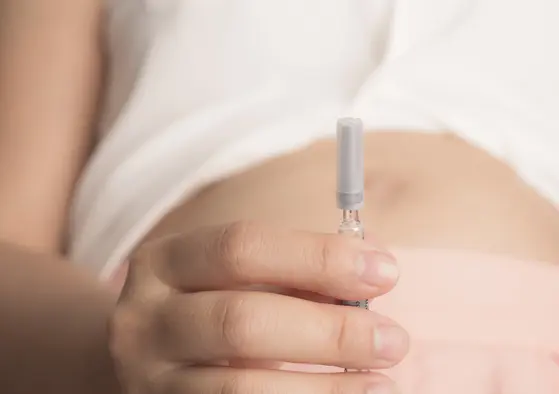
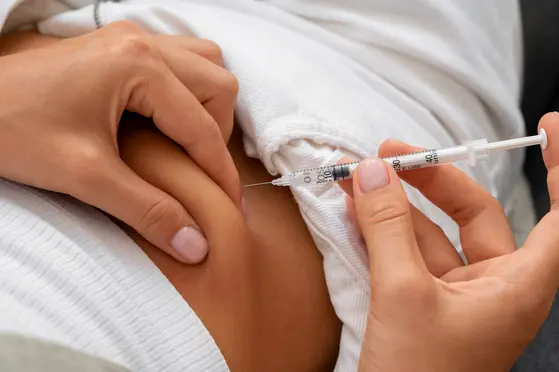
Patients typically administer these medications at home using small needles that deliver the hormone under the skin. While the idea of injections may initially feel intimidating, most patients find that the process becomes manageable after the first few days.

Fertility clinics carefully monitor patients throughout this stage using ultrasound imaging and hormone testing. Monitoring allows physicians to adjust medication doses and ensure the ovaries respond appropriately.

Understanding the purpose behind each injection helps patients feel more confident as they begin their fertility journey.

Why IVF Injections Matter

IVF injections play a central role in controlled ovarian stimulation, which is one of the most important phases of fertility treatment. These medications help fertility specialists carefully control the reproductive hormones involved in egg development.

IVF injections are used to:

  • stimulate the ovaries to produce multiple mature eggs
  • prevent premature ovulation
  • synchronize egg development for retrieval
  • improve the chances of successful fertilization

“IVF injections aren’t forcing your body into something it can’t do — they’re simply giving it the right conditions to do what it does best.”

The Injection Phase: What Actually Happens

The injection phase of IVF typically begins early in the menstrual cycle, usually on day two or three after menstruation starts. During this stage, patients administer hormone medications that stimulate the ovaries to produce multiple follicles.

These injections are commonly given once or twice daily and continue for approximately 8 to 14 days depending on how the ovaries respond.

Throughout this phase, fertility specialists monitor follicle growth using ultrasound imaging and blood tests that measure hormone levels.

Monitoring allows physicians to:

  • track follicle development
  • adjust medication doses
  • determine the optimal time for egg retrieval

Once the follicles reach the appropriate size, a final injection known as the trigger shot is administered. This medication signals the body to complete egg maturation and prepares the eggs for retrieval.

Egg retrieval typically occurs about 36 hours after the trigger injection.

IVF Injection Timeline: Day-by-Day Overview

Understanding the typical IVF injection timeline can help patients prepare for the treatment process.

Days 1–3: Baseline Testing

Before starting medications, fertility specialists perform ultrasound imaging and blood tests to confirm hormone levels and ensure the ovaries are ready for stimulation.

Days 3–10: Ovarian Stimulation Injections

Patients begin daily injections that stimulate the ovaries to develop multiple follicles. Common medications used during this stage include gonadotropins such as FSH or LH.

Days 5–12: Monitoring Appointments

Patients return to the clinic for ultrasound scans and hormone tests to monitor follicle growth. Physicians may adjust medication dosages during this phase.

Day 10–14: Trigger Shot

Once follicles reach the appropriate size, patients administer a trigger injection that finalizes egg maturation.

Egg Retrieval

Egg retrieval is scheduled approximately 34 to 36 hours after the trigger injection. Understanding this timeline helps patients feel more prepared for the IVF process.

The Different Types of IVF Fertility Shots

IVF treatment involves several types of hormone medications, each designed to support a different stage of the fertility process.

Gonadotropins (Stimulation Medications)

These medications stimulate the ovaries to produce multiple follicles.

Examples include:

  • Gonal-F
  • Follistim
  • Menopur

They contain hormones similar to follicle-stimulating hormone (FSH) and luteinizing hormone (LH), which naturally regulate ovarian activity.

GnRH Antagonists

These medications prevent premature ovulation during ovarian stimulation.

Examples include:

  • Ganirelix
  • Cetrotide

By blocking ovulation, these medications ensure that eggs remain in the ovaries until retrieval.

IVF Trigger Shot

The trigger injection contains human chorionic gonadotropin (hCG) or similar hormones that signal final egg maturation.

This injection precisely times ovulation so eggs can be retrieved at the optimal moment.

Administering IVF Injections: A Practical Guide

Most IVF injections are administered subcutaneously, meaning the medication is injected into the fatty tissue just beneath the skin

Common injection locations include:

  • lower abdomen
  • upper thigh
  • outer hip area

Patients typically receive detailed instructions from their fertility clinic before beginning treatment

Basic injection steps include:

  • preparing the medication according to clinic instructions
  • cleaning the injection site with alcohol
  • gently pinching the skin to create a small fold
  • inserting the needle at a 90-degree angle
  • slowly injecting the medication

Although patients may initially feel nervous about self-injections, most people quickly become comfortable with the process.

Ovarian Stimulation: What You'll Notice

As the ovaries respond to stimulation medications, patients may begin to notice several physical and hormonal changes.

Common symptoms during ovarian stimulation include:

mild bloating
abdominal fullness
temporary mood changes
fatigue
breast tenderness

These symptoms occur because hormone levels rise as multiple follicles develop within the ovaries.

Most side effects are temporary and resolve shortly after egg retrieval.

Patients should always report severe discomfort or unusual symptoms to their fertility clinic.

IVF Injection Safety, Side Effects, and Best Practices

IVF medications have been widely used in fertility treatment for many years and are generally considered safe when administered under medical supervision.

However, as with any medical treatment, patients may experience side effects

Common Injection-Related Side Effects

Most side effects are mild and temporary.

These may include:X

  • redness at the injection site
  • mild bruising
  • temporary soreness
  • bloating or abdominal pressure

These symptoms typically improve within a few days.

Once the follicles reach the appropriate size, a final injection known as the trigger shot is administered. This medication signals the body to complete egg maturation and prepares the eggs for retrieval.

Egg retrieval typically occurs about 36 hours after the trigger injection.

Ovarian Hyperstimulation Syndrome (OHSS)

In rare cases, ovarian stimulation medications can cause a condition known as ovarian hyperstimulation syndrome.

OHSS occurs when the ovaries respond too strongly to fertility medications.

Symptoms may include:

  • severe abdominal swelling
  • nausea
  • rapid weight gain
  • shortness of breath

Fertility clinics carefully monitor patients during IVF cycles to minimize this risk.

Best Practices for IVF Injections

Patients can make injections easier by following a few practical tips:

Service Information:

  • rotate injection sites to prevent irritation
  • take medications at the same time each day
  • store medications according to instructions
  • follow clinic dosing instructions carefully/li>

Working closely with a fertility specialist helps ensure medications are used safely and effectively.

Credentials, Standards, and Quality Control

  • IVF medication protocols should always be guided by qualified fertility professionals
  • At Hopeful Beginnings IVF, treatment protocols are designed in collaboration with experienced reproductive specialists and fertility clinics.
  • This ensures patients receive accurate medication guidance, careful monitoring, and personalized fertility care throughout their IVF journey.

Clinic Details and Local Coverage

Hopeful Beginnings IVF supports patients throughout the Raleigh-Durham-Cary Triangle who are undergoing fertility treatment.

Our services assist individuals and couples working with fertility clinics across the region.

We provide support for patients located in:

  • Raleigh
  • Cary
  • Durham
  • Chapel Hill
  • Research Triangle Park

Local support helps ensure patients receive reliable assistance during the IVF injection phase of treatment.

Why Patients Choose Hopeful Beginnings IVF

Patients choose Hopeful Beginnings IVF because fertility treatment often requires both clinical expertise and compassionate support.

Our services are designed to help patients feel confident while managing IVF medications and injections.

Key benefits include:

  • experienced fertility medication guidance
  • patient-focused support during IVF cycles
  • flexible scheduling for injection assistance
  • personalized care for each patient

By combining fertility expertise with compassionate care, we help patients navigate IVF treatment with greater confidence.

Conclusion

VF injections play a critical role in fertility treatment by helping the ovaries produce multiple eggs during a single cycle. While the injection process may initially seem intimidating, understanding the purpose and timeline of these medications can help patients feel more comfortable and prepared.

With the right guidance, support, and medical monitoring, IVF injections become a manageable and routine part of the fertility journey.

Hopeful Beginnings IVF provides support for patients throughout the Raleigh Triangle who are navigating fertility treatment and IVF medication protocols.

IVF medication protocols should always be supervised by a licensed fertility specialist. The information on this page is provided for educational purposes and should not replace medical guidance from your reproductive endocrinologist.

Medical Content Author

John Matuscavage, PA-C
Fertility Injection Specialist

Experience:

  • IVF medication administration

  • fertility injection education

  • patient support during IVF cycles

Frequently Asked Questions
Are IVF injections painful?

Most IVF injections cause only mild discomfort. The needles used are very small, and medications are injected into fatty tissue beneath the skin. Patients may experience mild soreness or bruising at the injection site, but the discomfort is usually brief and manageable.

How long do IVF injections last?

IVF stimulation injections typically last between 8 and 14 days depending on how the ovaries respond to medication. During this time, patients administer daily hormone injections while fertility specialists monitor follicle development using ultrasound and blood tests.

What medications are used during IVF?

Common IVF medications include gonadotropins such as Gonal-F, Follistim, and Menopur. Additional medications may include GnRH antagonists like Ganirelix or Cetrotide and a trigger shot that prepares eggs for retrieval.

Can IVF injections be done at home?

Yes. Most IVF injections are designed to be administered at home. Fertility clinics provide detailed instructions and training so patients can safely prepare and inject their medications.

What happens if an IVF injection is missed?

If a patient accidentally misses a scheduled injection, they should contact their fertility clinic immediately. The clinic will provide instructions on how to adjust the medication schedule.

Where are IVF injections given?

Most IVF injections are administered subcutaneously in the lower abdomen or upper thigh. Some trigger injections may be administered intramuscularly depending on the medication protocol.